

Many grammar books state that a comma is always required after “i.e.” and “e.g.” used in a sentence, as in…
Read More »
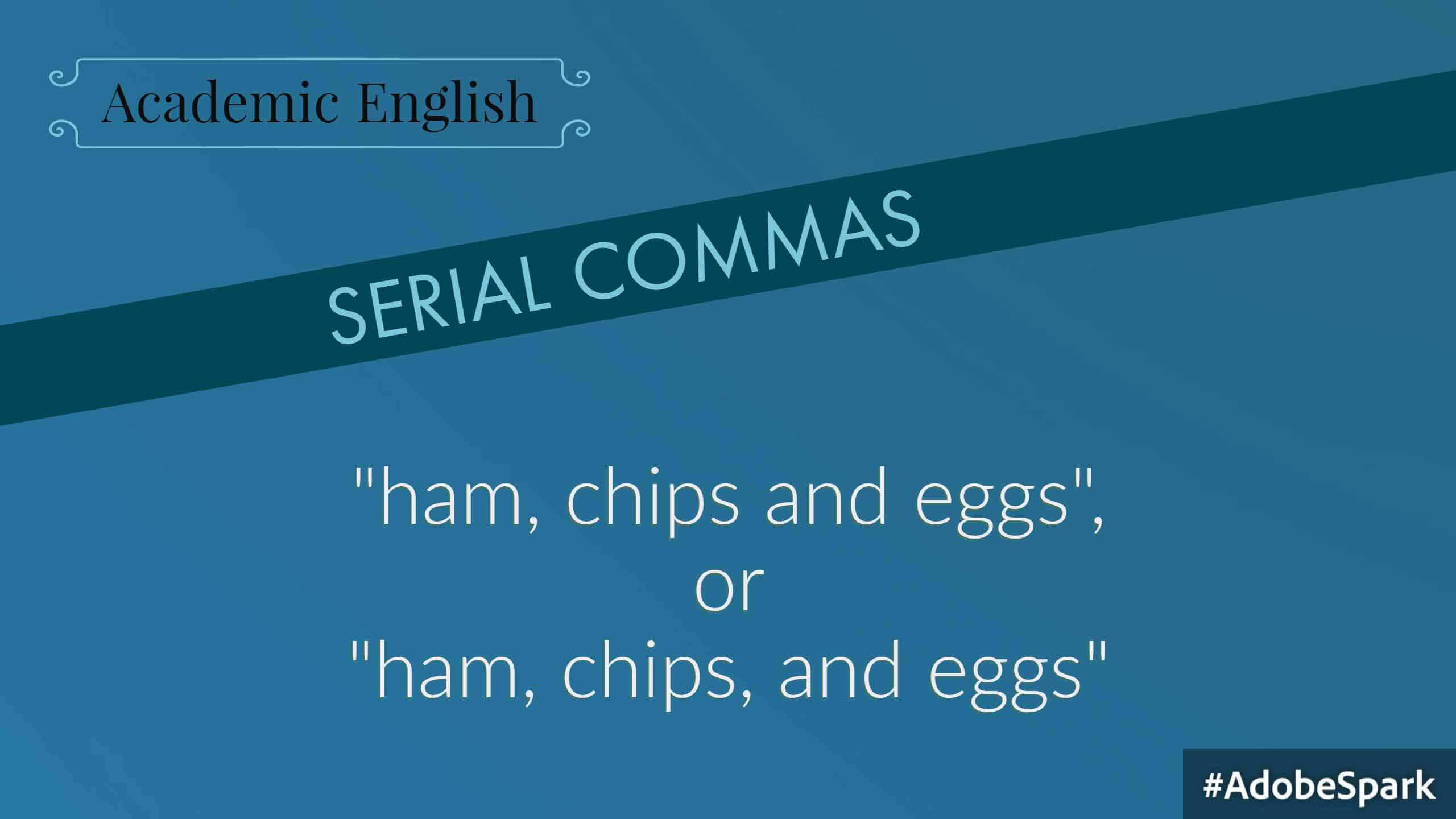
… In Britain and some other less-enlightened countries, the comma is often omitted before an ‘and’ in a list. For…
Read More »
Writing standards disagree about whether to use “I” and “we” (and their various forms) in academic work. Some argue that…
Read More »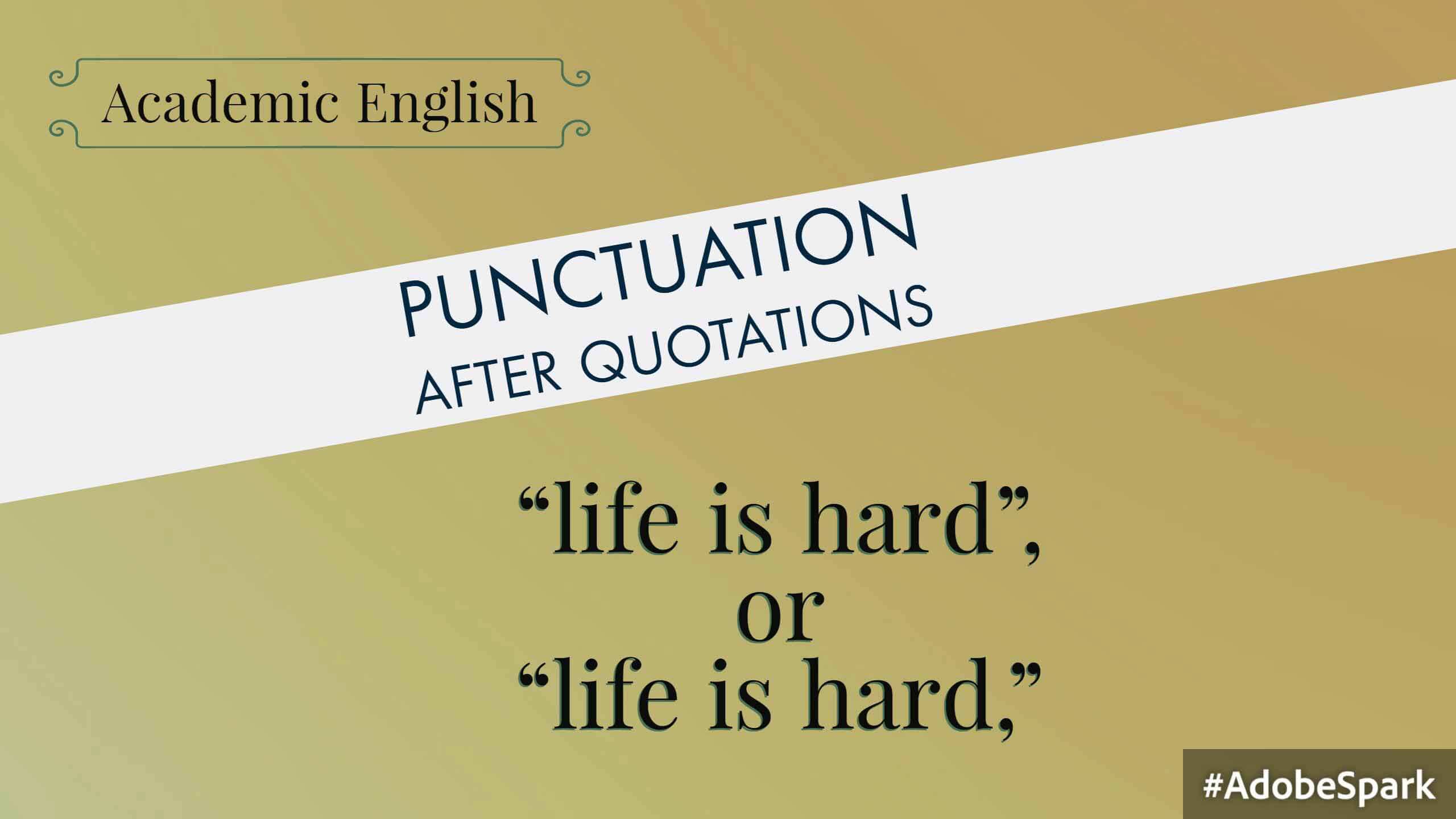
In American English (and in some cases for British English), punctuation following a bit of quoted text is traditionally placed…
Read More »
Discussing existing work Whenever you bring up an existing piece of research, whether it is your own or someone else’s,…
Read More »
Formatting and grammar rules When in doubt about grammar or page format, researchers in psychology and computer science generally follow…
Read More »
Rules for formal writing are quite strict, though often unstated. Formal writing is used in academic and scientific settings whenever…
Read More »
Try hard to avoid ambiguous references Conversation is replete with ambiguous words like “this”, “these”, “his”, “it”, “they”, etc. These…
Read More »