JOURNAL ARTICLES Choose an appropriate journal. Follow manuscript guidelines carefully. Submit as clean a draft as possible to the current…
Read More »Grammer & Punctuation & Spelling

In this dialoge Ena Lee and her graduate supervisor, Bonny Norton , offer readers a dialogue in an engaging mix…
Read More »
A chapter’s introductory paragraph can serve a number of distinctive functions. It can: 1. Show the relationship of the chapter…
Read More »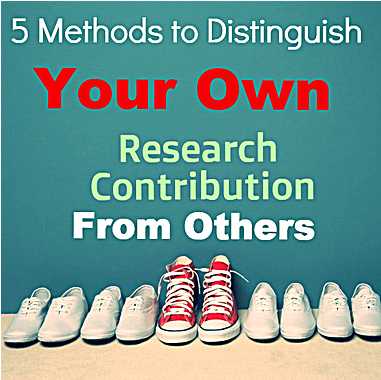
Methods to Distinguish and Identify Your Contribution The fact that you are so familiar with what you did means that your…
Read More »
Who is this book for? This book is designed to help non-native speakers of English write science research papers for…
Read More »
Many grammar books state that a comma is always required after “i.e.” and “e.g.” used in a sentence, as in…
Read More »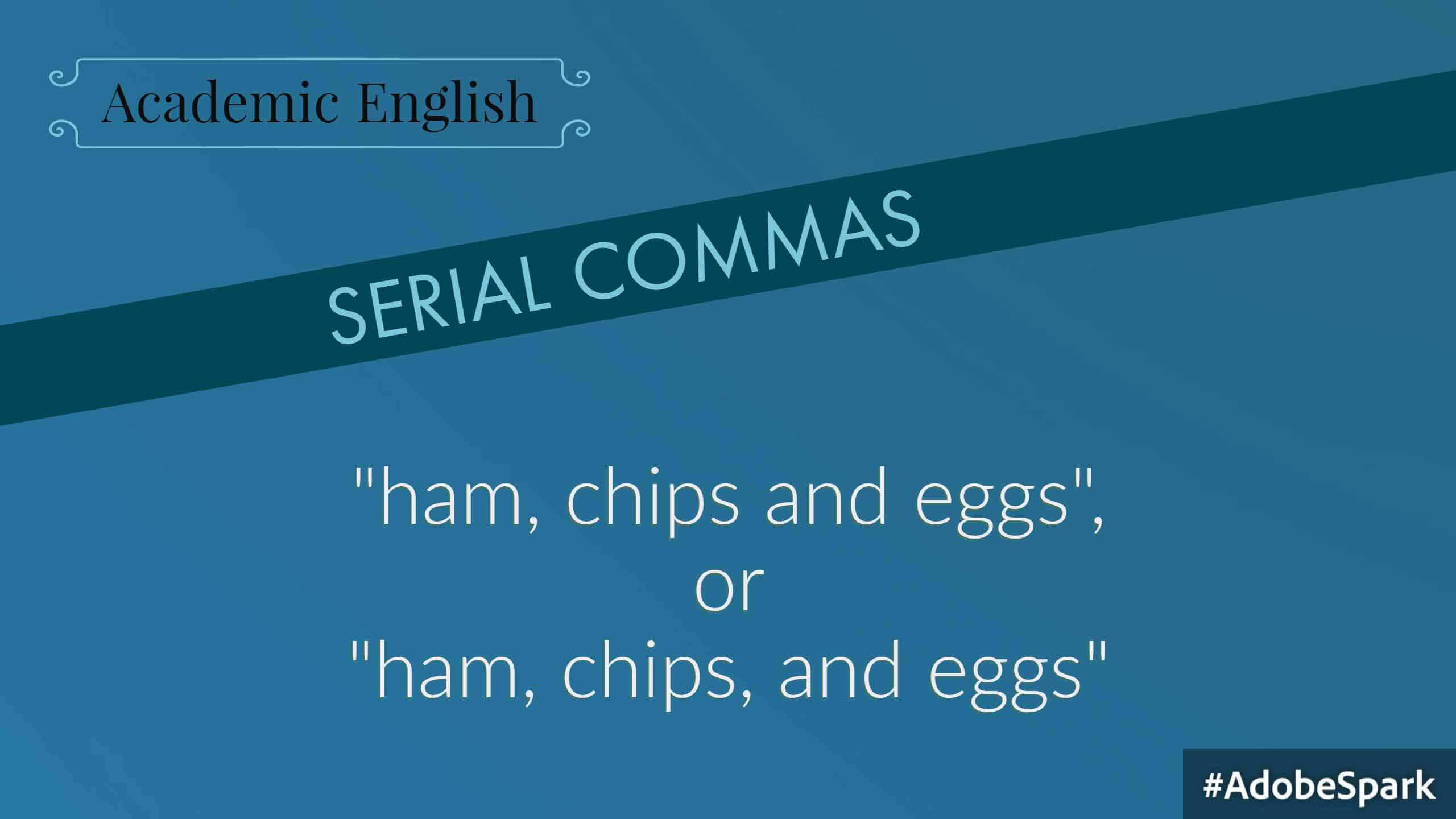
… In Britain and some other less-enlightened countries, the comma is often omitted before an ‘and’ in a list. For…
Read More »
Writing standards disagree about whether to use “I” and “we” (and their various forms) in academic work. Some argue that…
Read More »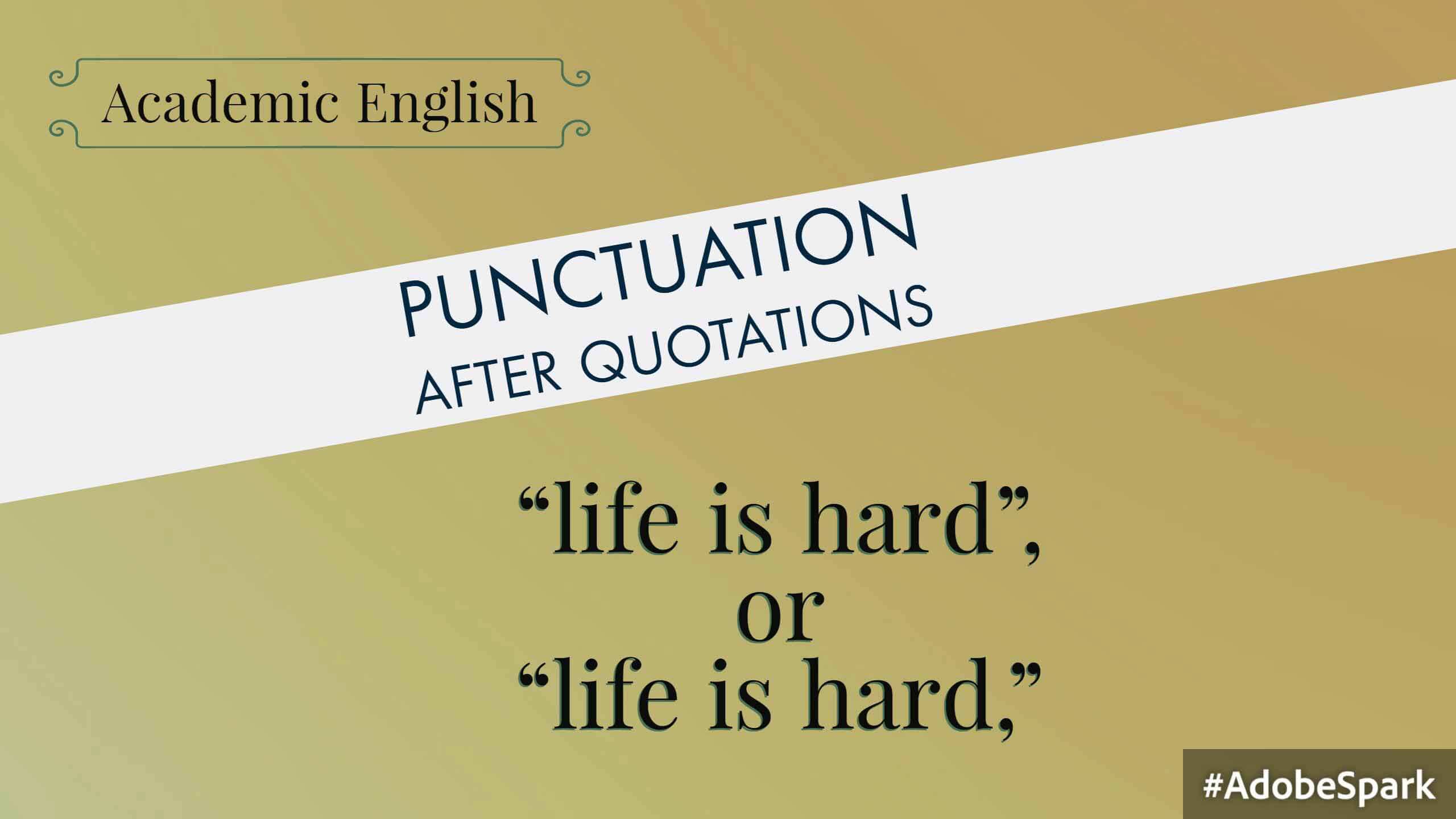
In American English (and in some cases for British English), punctuation following a bit of quoted text is traditionally placed…
Read More »
Informal Speaking Vocabulary Academic Writing Vocabulary What is the difference? a lot of good/bad go up/go down/stay the same…
Read More »